
.jpg)
To experience the click through protoype - Click here
Impact
-
Introduction redesign of features of this premium platform improved the Google Play star rating from 4.3 to 4.8 in a span of 7 months!
-
The engagement improved to 37% in iOS and 40% on Android.
-
Dineout Passport platform saw the Subscriptions increased by a whopping 55% within 3 months of launch.
Project Brief
“Researching and creating a premium subscription program for diners catering to the needs of elite users.”
Despite Dineout Passport being a premium paid club for food connoisseurs, its served just as another platform for discounts and offers with some exclusive benefits only. Dineout regulars received 10-20% savings, as well as promo cash waivers. Being a very niche market, it wasn’t as lucrative as a premium membership for regular users to upgrade or motivate new users to buy it.
The goal is to provide luxury food enthusiasts with a more streamlined and personalised digital experience with a more simplified online space.
Objectives
-
To identify the factors that influence the decision of users to buy a premium dining membership
-
To understand the existing business propositions well, and track expectations of the company
-
Innovate the existing identity, and propose a personalized, simpler and lucrative digital experience for elite diners for increased buyers and redemptions by reducing drop-offs
-
To compare/ research existing market, brand study and analyze needs of target audience better
Timeline & Design Process


Setting Up Research - Stakeholder & Primary
For this project, I conducted extensive primary and stakeholder research to understand the dining business landscape in India and globally. I began by exploring industry data around subscription-based dining models, uncovering emerging trends, pricing structures, and loyalty strategies used by leading restaurant tech platforms. To complement this, I studied user psychology examining what drives diners to choose memberships, return to specific restaurants, and perceive value in exclusive experiences. I then mapped business models and revenue streams, followed by stakeholder interviews with restaurant owners, managers, and marketing teams to capture their expectations and challenges in implementing such programs. Finally, I conducted a competitive and comparative analysis of key platforms to identify design gaps and opportunities, laying the foundation for data-driven, user-centered design solutions.
For the detailed research report, Click here.
Key Observations
-
65% of its population below the age of 35 are into trying new restaurants.
-
64% of its population in the working age group presenting interest for the quick service restaurant and casual dining experiences
-
According to a survey by Mindshift metrics, approximately 89 per cent of people in the age group of 18 years till 35 years visit a fine dining venue once a month
-
It is noticed that the eating pattern largely depend upon offers, discounts, loyalty membership because 59 percent people eat out on the weekdays.
-
The need for service, ambience and food is basic but with changing times, the insights showcase how music and seating preferences play an equally important role.
-
Consumers make decisions concerning the purchase of services, they are influenced by external, or extrinsic factors, and internal, or intrinsic factors
-
Ninety percent of consumers say they’re likely to choose a retailer where they’re a premium loyalty member over another one offering a lower price.
-
Seventy-nine percent of consumers say they don’t want to accumulate points anymore, and retailers’ loyalty programs should provide immediate benefits to maintain their loyalty.


Competitive Analysis
A comprehensive analysis done on basis of finding more about the competitors, specifically ; Dineout, Zomato, Eatigo, Eazydiner and Open Table.

Comparative Analysis
An analysis done to understand the strategies of Premium Subscriptions by other successful services outside the food/ dining industry.

Survey Analysis
For this project, I used the quantitative research methods like conducting surveys, polls, to understand what the majority of community was inclining for. The conclusion was there was a need to rethink the existing membership for a better traffic and service.
A total of 125 participants took part in the survey, representing a diverse mix of dining behaviors and preferences across Tier 1, Tier 2, and Tier 3 cities in India. The majority were urban working professionals and young adults aged 22–40 years, who frequently dine out and engage with digital food platforms. Most respondents were tech-savvy and used mobile applications such as Zomato, Dineout, and EazyDiner to explore restaurants, book tables, and avail offers. Participants included a balance of both regular diners and occasional users, providing insights from casual to premium dining perspectives.
The survey also gathered responses from users with varied budget preferences - from mid-range diners (₹1000–2500 per visit) to those seeking premium dining experiences. Respondents were from India and a small segment from global markets (Dubai and the U.S.), ensuring cross-cultural perspectives on dining subscriptions and loyalty programs.

Quantitative Inference
According to a surveys,
-
80 percent of people have subscribed to premium subs. across various segments, with OTT platform with highest subscribers
-
Mostly people from Tier 1 & 2 cities preferred a high budget on Dining out, and went out more frequently than Tier 3 city audience
-
Consumer demand for paid loyalty programs is 84.4% people are interested in offers, discounts, 66.4% people prefer value for money, and 48.4% people prefer a sense of Premium Experience, and 41.6% are concerned of the member ship fee
-
68.8% e people struggle to find restaurants with good discounts, 40.8% people can’t afford to try fine dining due to its high prices, 45.6% people feel pre booking and ordering is a huge hassle
Qualitative Inference
According to a surveys,
-
Most people use Zomato/Dineout/ Eazy Diner to get hefty discounts while dining out
-
The expected/ planned amount comes out to be higher than the actual amount that diners pay at the restaurant; end in dissapointment
-
Hidden taxes and extra charges increase dropoffs
-
Few points which impresses users about premium subscriptions are - Ease of transactions, discounts, premium benefits, Free gifts, preferences and fast/premium features, unlimited multiple discounts, exclusive content, early access to new launches and everything, realtime updates, deals, value for money
-
People prefer more for casual dining and cafe-bistros as compared to other places
-
We see that maximum people face difficulty in finding new restaurant, and also due to lack of realtime reviews it is difficult to opt for new restaurant
For the detailed survey report & Personas, Click here.
User Journey Mapping

Affinity Mapping
Based on the answers from User Interviews and Survey, we drew some insights and brainstormed on it as a team. After organizing the ideas, we mapped them into different categories forming affinity diagram.


Design Process
Business Goal
Creating a space for premium users which is lucrative, reduces drop offs, increases frequency of reservations,and is more user centric.
General Task
Goal is to provide luxury food enthusiasts with more personalised digital experience with simplified space and impressive features.
Target Audience
Business class, High Spenders, Experiemental Food Connoisseurs, Techies, Sociable
Age - 20 to 55 years
Success Factor
-
Time-Saving: Streamlined booking and payment processes that reduce user effort and decision time.
-
Premium Offerings: Exclusive dining experiences and benefits beyond what typical food apps provide.
-
User-Centric Features: Intuitive design and tailored interactions that prioritize user convenience and delight.
-
Great Savings: Meaningful discounts and offers that enhance perceived value and encourage loyalty.
-
Easy Subscriptions: Seamless onboarding and renewal flows that simplify the membership experience.
-
Personalized Experiences: Curated recommendations and rewards aligned with user preferences and dining habits.

Brainstorming Ideas
Information Architecture
Setting Up User Flow
Wireframing Ideas
Wireframes
Once the insights from user research and stakeholder interviews were synthesized, I began translating them into low-fidelity wireframes to visualize the information architecture and user flows. I focused on creating layouts that balanced clarity, functionality, and intuitive navigation, ensuring that users could seamlessly discover premium offerings and manage their subscriptions.

High Fidelity Designs


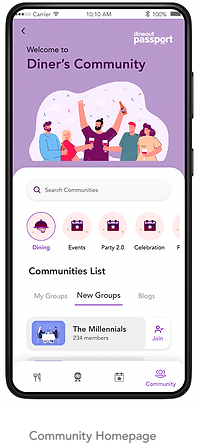


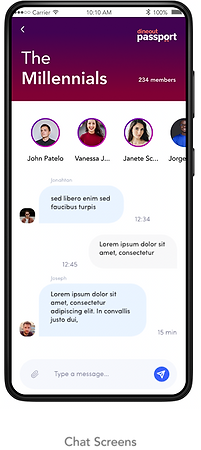


Dev Handsoff
-
Delivered a fully functional prototype to illustrate user interactions, transitions, and end-to-end flows.
-
Provided all UI assets and design elements in organized folders for seamless integration.
-
Included detailed image and element specifications such as dimensions, spacing, and color values for pixel-perfect implementation.
-
Supplied component libraries with clear nomenclature and hierarchy, ensuring consistency across screens.
-
Documented user flows to guide developers through the intended logic and interactions of the product experience.
Conclusion
-
This project gave me an opportunity to dive deep into the dining and table reservation ecosystem, exploring how premium subscription models can redefine customer experience and drive sustainable revenue growth. By analyzing market trends, user psychology, and business strategies across India and global markets, I identified key factors that make dining memberships appealing—value for money, exclusivity, convenience, and emotional connection. My research informed design decisions that not only improved the usability of subscription features but also strengthened brand loyalty and engagement within the app.
-
Over the course of four months, I applied and refined my skills in UX research, usability testing, interaction design, and prototyping, bridging the gap between user needs and business objectives. The project’s impact went beyond design—it contributed to envisioning a more seamless, personalized, and rewarding dining experience for users.
About Dineout
Dineout is a Noida based company, founded by Ankit Mehrotra, Nikhil Bakshi, Sahil Jain and Vivek Kapoor in 2012 and was acquired by Times Internet Limited in 2014. Times Internet is India’s largest digital products company and the digital venture of Times of India, India's largest media and entertainment group.We have always been obsessed with pre-empting and fulfilling the wants of today’s diner. In 2012, it simply meant allowing diners to reserve a guaranteed table at the top restaurants in the city. In 2018, we has evolved to providing multiple benefits on one platform for all dining out needs.
Connecting diners to the best-in-the-city restaurant discounts & deals, giving diners a cashless payment experience across restaurants & an opportunity to earn cashback on every payment and a unique membership - Dineout Passport - with massive benefits for the real connoisseur of food.